
Orthopedics · Shoulder
Shoulder arthroscopy
Does your shoulder hurt at night, when you raise your arm overhead, or is it losing strength? When rest, exercises and an injection do not help, arthroscopy may help: the doctor looks into the joint with a thin camera through small entry points and treats the damage. If everything is in order, the procedure can take place as soon as within a week of the consultation.
- No referral from your GP needed
- Performed by Prof. MUDr. Radek Hart
Under general or regional anesthesia
- anesthesia
- generalor regional, which numbs the whole arm
- until the procedure
- 1 weekfrom the consultation, if everything is in order
- procedure takes
- up to 2 hmost arthroscopies, depending on the findings and extent
- entry points into the joint
- 2–3small buttonhole-sized incisions, more depending on the procedure
01When a procedure is considered
Tendon, impingement or a stiff shoulder
The head of the upper arm bone sits in the shallow socket of the shoulder blade. Four rotator cuff tendons surround it and help lift and rotate the arm. Above them is the acromion, a bony projection of the shoulder blade, and between it and the tendons a bursa, over which the tendons glide as the arm moves.
-
Torn rotator cuff tendon
It hurts at rest and at night, especially when lying on the affected shoulder, and when raising or lowering the arm. The arm weakens, combing hair or getting dressed gets harder. Most often it occurs after age 40 from wear, in younger people more after an injury, for example a fall on an outstretched hand.
-
Impingement under the acromion
When the arm is raised, the space between the acromion and the tendons narrows. The bone then rubs against the tendon and bursa and irritates them. It hurts at the front or side of the shoulder, when reaching overhead, and often most at night. Swimmers, tennis players and people who work with their arms overhead are at risk.
-
Frozen shoulder
The joint capsule thickens and stiffens. The shoulder hurts and cannot be moved, even when someone else moves it. Most often between ages 40 and 60, more often in women and in people with diabetes or thyroid disease. It usually improves on its own over time, but this can take up to 3 years.
-
When to come for an examination
If the pain does not improve after 2 weeks, the arm is hard to raise or is getting weaker. Sudden severe pain after a fall or a changed shape of the shoulder belongs first in an emergency room; the clinic is not an emergency room.
- rotator cuff tendon
- bursa
- irritated bursa
- bones of the shoulder
02Treatment
First without surgery, when that is enough
Most shoulder problems are first treated without surgery. About 80 to 85% of patients manage a torn tendon this way. Which approach suits you is decided by the doctor at the consultation.
Step 1
Adjusting activity and exercises
At home and with a physiotherapist.
- Fewer overhead activities and movements that hurt, but do not rest the shoulder completely
- Exercises for range of motion and strengthening the shoulder muscles, mainly stretching for a frozen shoulder
- Pain and anti-inflammatory medication, so that exercising is possible
Step 2
Injection
When rest and exercises are not enough.
- A corticosteroid injection with a local anesthetic into the bursa or the joint reduces inflammation
- It does not help everyone, and it cannot be predicted how long the relief will last
Step 3
Arthroscopy
When pain and weakness persist.
- The pain does not improve even after non-surgical treatment
- For a torn tendon: symptoms last 6 to 12 months, the tear is large, the arm is markedly weaker or the tendon tore in an injury
- For a frozen shoulder: the joint does not loosen even after exercises
Not sure which stage you are in? The examination decides. Book a consultation
03How the procedure works
From booking to going home
Arthroscopy means “a look into the joint”. Through a small entry point the doctor inserts a thin optic with a camera into the shoulder and follows the image on a monitor. Through further small entry points, fine instruments are inserted to treat what is found. What exactly will be done is discussed with you by the doctor based on the examination.
-
Booking
Online or by phone. A referral from your GP is not needed.
online or by phone -
Consultation and examination
Prof. Hart examines the mobility and strength of the shoulder and, if needed, adds an X-ray or ultrasound.
diagnosis and treatment plan -
Procedure
Under general or regional anesthesia, often a combination of the two, as agreed with the anesthesiologist. Most arthroscopies take less than 2 hours.
as soon as within a week -
Home
After the procedure you stay for observation and go home as soon as everything is in order. Do not drive after anesthesia; someone must take you home.
check-up and physiotherapy
- optic with camera
- fine instrument
- small entry point into the shoulder
- bones of the shoulder
- outline of the shoulder
04Recovery and physiotherapy
The shoulder needs time and exercise
The small entry points heal quickly, but the shoulder itself needs weeks to months. How long depends mainly on what was treated in the joint. We set up the rehabilitation plan according to the findings and can follow up with physiotherapy right at the clinic.
-
The first weeks
Expect pain and discomfort for several weeks after the procedure; cooling and pain medication help. Lying flat can pull on the shoulder, and in the first days it is often easier to sleep half sitting up.
-
Sling and exercises
The arm is protected by a sling or brace; how long is determined by the doctor depending on the procedure. Exercises for movement and strength follow, after a larger procedure under the guidance of a physiotherapist.
-
After a minor procedure
Some people return to work after just a few days. After release of the impingement under the acromion, full pain relief usually takes 2 to 4 months, sometimes up to a year.
-
After a more extensive procedure
A sutured tendon needs several months. After release of a frozen shoulder, recovery takes 6 weeks to 3 months, and regular exercise is necessary to maintain the motion gained.
05Who operates
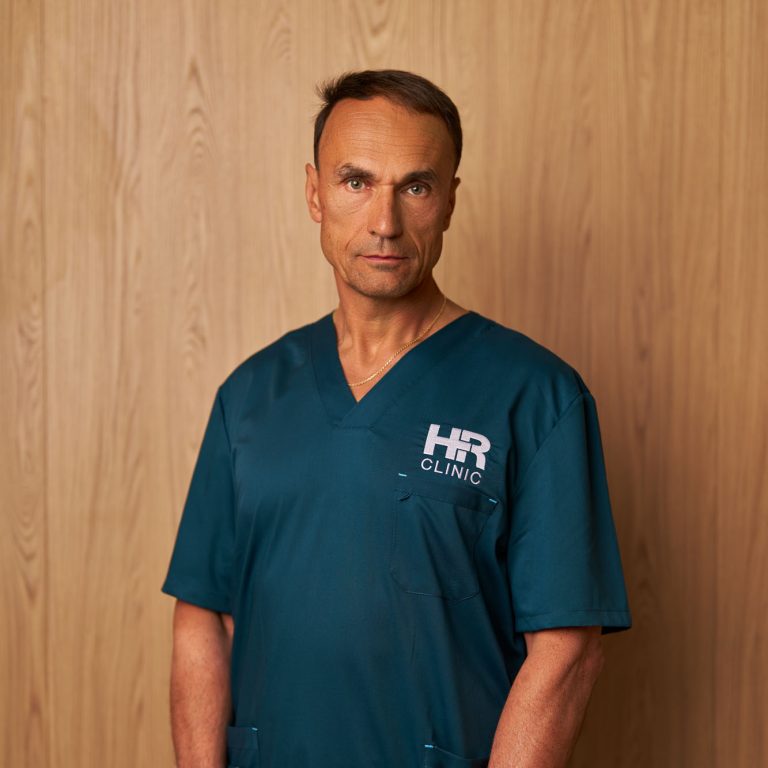
Prof. MUDr. Radek Hart, Ph.D., FRCS, MHA
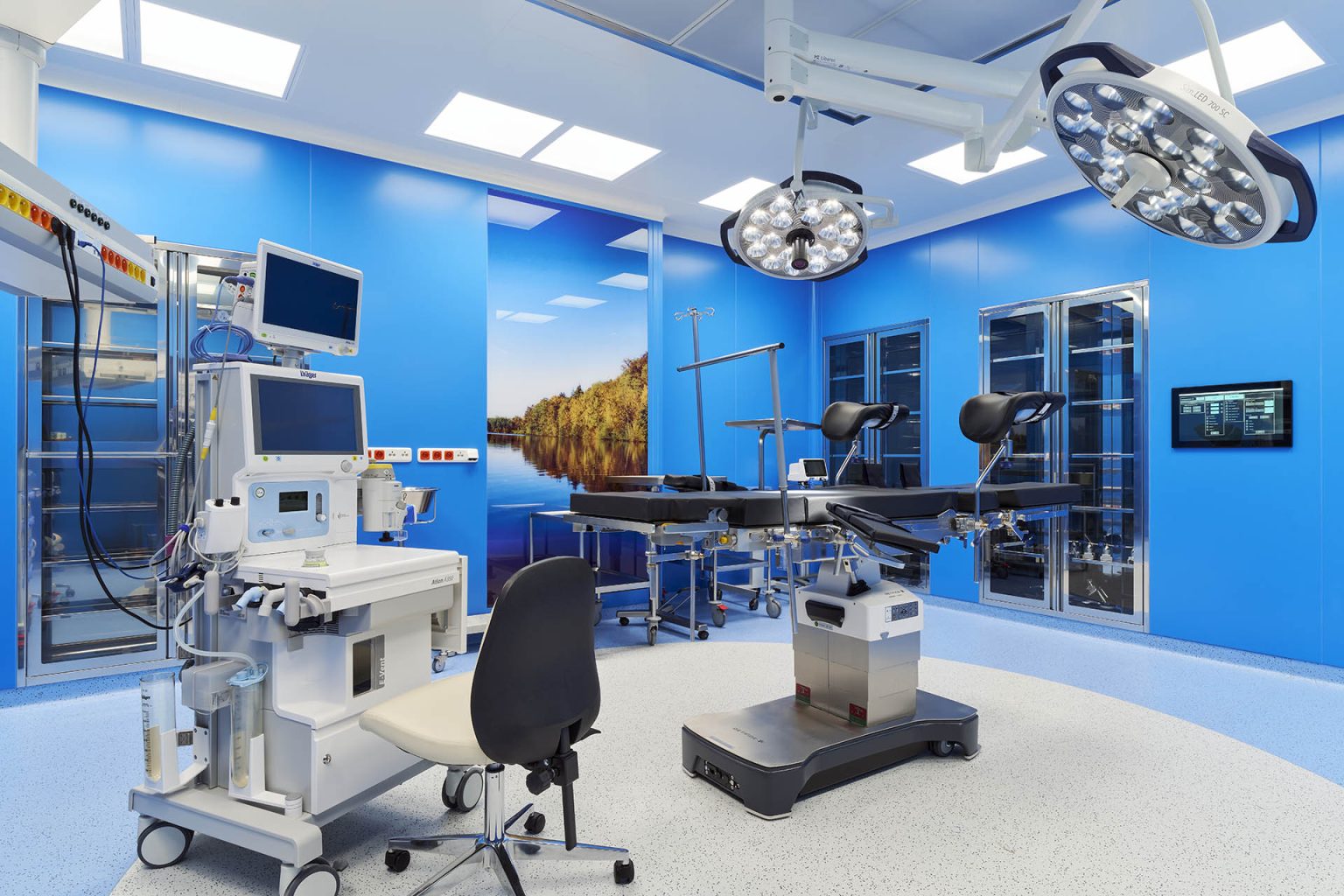
Orthopedic and trauma surgeon of the musculoskeletal system, head physician of HR Clinic. He sees patients in Znojmo and Vienna; after a consultation in Vienna, the procedure can be performed in Znojmo. Arthroscopies take place in an operating theater with laminar airflow and with optics for 4K arthroscopy.
More about Prof. Hart Specialist website ortho-hart.at
Price We will tell you the price of the procedure at the consultation, depending on the findings and the extent of the procedure.
06Frequently asked questions
What patients ask most often
Will I be awake during the procedure?
It is done under general anesthesia, under regional anesthesia, which numbs the shoulder and the whole arm, or a combination of the two. Regional anesthesia also relieves pain for several hours after the procedure.
Do I have to have surgery if I have a torn tendon?
Not always. Non-surgical treatment relieves about 80 to 85% of patients. Surgery is considered when the pain persists, the arm is markedly weaker or the tendon tore in an injury. However, the tear can grow larger over time, so it is good to have it monitored.
How long will I stay at the clinic?
Arthroscopy is usually an outpatient procedure: after the procedure you stay for observation and go home as soon as everything is in order. The stay at the clinic lasts at most 24 hours. Someone must take you home.
What are the risks?
Most patients have no complications. As with any operation, however, infection, bleeding, a blood clot or damage to a blood vessel or nerve can occur. The doctor discusses the risks with you before the procedure.
Do I need a referral from my GP?
No. You simply book online or by phone.
How soon can I have the procedure?
If everything is in order, the procedure can take place as soon as within a week of the consultation. We arrange the date according to the result of the examination.
07Booking
Book an orthopedic consultation
Online or by phone, at the clinic in Znojmo. A referral from your GP is not needed.
- +420 515 225 520
- info@webdemo-vorschau.dam-medizin.com
- Kotkova 3974/9c, 669 02 ZnojmoMon: 8:30–15:00 · Tue–Fri: by appointment