
Orthopedics · Knee
Knee arthritis in one part of the joint
Does your knee hurt mainly on the inner or outer side, perhaps with bowed legs? When arthritis affects only one part of the knee and treatment without surgery is no longer enough, a corrective osteotomy can be considered, which shifts the load to the healthier part, or a partial knee replacement. The healthy parts of the joint and the ligaments are preserved.
- No referral from a general practitioner needed
- Operated on by Prof. MUDr. Radek Hart
Osteotomy and partial replacement
- surgery takes
- 1–2 hoursusually for both osteotomy and partial replacement
- bone heals
- 6 weeksapproximately after osteotomy, crutches in the meantime
- everyday activities
- 6 weeksusually after partial knee replacement
- full activity
- 3–6 monthsusually after osteotomy
01When a procedure is considered
Pain on one side and bowed legs
In arthritis the joint cartilage gradually wears down, becomes rough, and the space between the bones narrows. It does not have to affect the whole knee: it has three compartments, inner, outer and the front one behind the kneecap, and arthritis can affect just one of them. When the bones of the leg are not in one line, for example with bowed legs, the inner part of the knee carries more load and wears out sooner.
-
Pain under load
Walking, stairs or standing for long periods hurt most, and the knee is often stiff in the morning or after sitting. Arthritis usually develops gradually, and the pain grows over time.
-
Pain on one side only
If you point to almost all of the pain on the inner or outer side of the knee, it may be arthritis in only one part of the joint. That is the precondition for both osteotomy and partial replacement.
-
Swelling, grinding, giving way
The knee may swell, grind or crackle, catch during movement and give way from pain. Some people feel the pain more when the weather changes.
-
After an injury or meniscus surgery
Arthritis can develop years after an injury, for example after a fracture in the joint, a torn meniscus or ligament damage. For younger people with damaged cartilage or a missing meniscus, read about treatment of cartilage and meniscus.
- load axis from hip to ankle
- joint cartilage, worn on the inner side
- wedge in the shinbone
- plate
- leg bones
02Treatment
First without surgery, when that is enough
Arthritis does not go away, but it does not have to get worse over time, and symptoms can be eased. Treatment therefore always starts without surgery. The doctor will decide the approach with you at the consultation.
Step 1
Exercise and weight
At home, without a procedure.
- Regular exercise eases pain and improves knee function
- Gentler movement, such as swimming or cycling instead of running
- If overweight, losing weight means less load on the knee
Step 2
Physiotherapy and outpatient care
When symptoms do not subside.
- Exercises with a physiotherapist for muscle strength and range of motion
- An unloader brace that shifts weight away from the affected side of the knee
- A corticosteroid injection into the joint relieves pain and swelling, but not permanently
Step 3
Surgery
When treatment without surgery is not enough.
- Pain limits walking and daily life despite treatment
- The arthritis is in only one part of the knee
- Depending on the findings, corrective osteotomy or partial replacement
Not sure which stage you are in? The examination will decide. Book a consultation
03Two operations
Osteotomy, or partial replacement
Both operations preserve the healthy parts of the knee and the ligaments. Which one suits you depends on the extent of the arthritis, the alignment of the leg, age and activity level. Prof. Hart decides at the consultation, based on the examination and the images.
Keeps your own joint
Corrective osteotomy
Straightening the alignment of the leg so the load goes through the healthier part of the knee.
- Mainly for younger, active people with early arthritis in one part of the knee
- The bone, most often below the knee, is cut and realigned, and a plate and screws hold the new position
- It can delay a joint replacement by several years; pain relief is however less predictable than after a replacement
- After healing, usually no restriction of movement, even with more demanding sports
Replaces only the worn part
Partial knee replacement
A metal and plastic surface only in the affected part of the knee.
- For advanced arthritis that is in only one part of the knee
- Healthy cartilage, bone and all ligaments remain
- The knee bears weight right after surgery, and many patients find it feels natural
- Not suitable with inflammatory rheumatic disease, marked stiffness or damaged ligaments
When the whole knee is worn, a partial replacement is not suitable. Prof. Hart will then discuss the next steps with you.
04How the procedure goes
From booking to going home
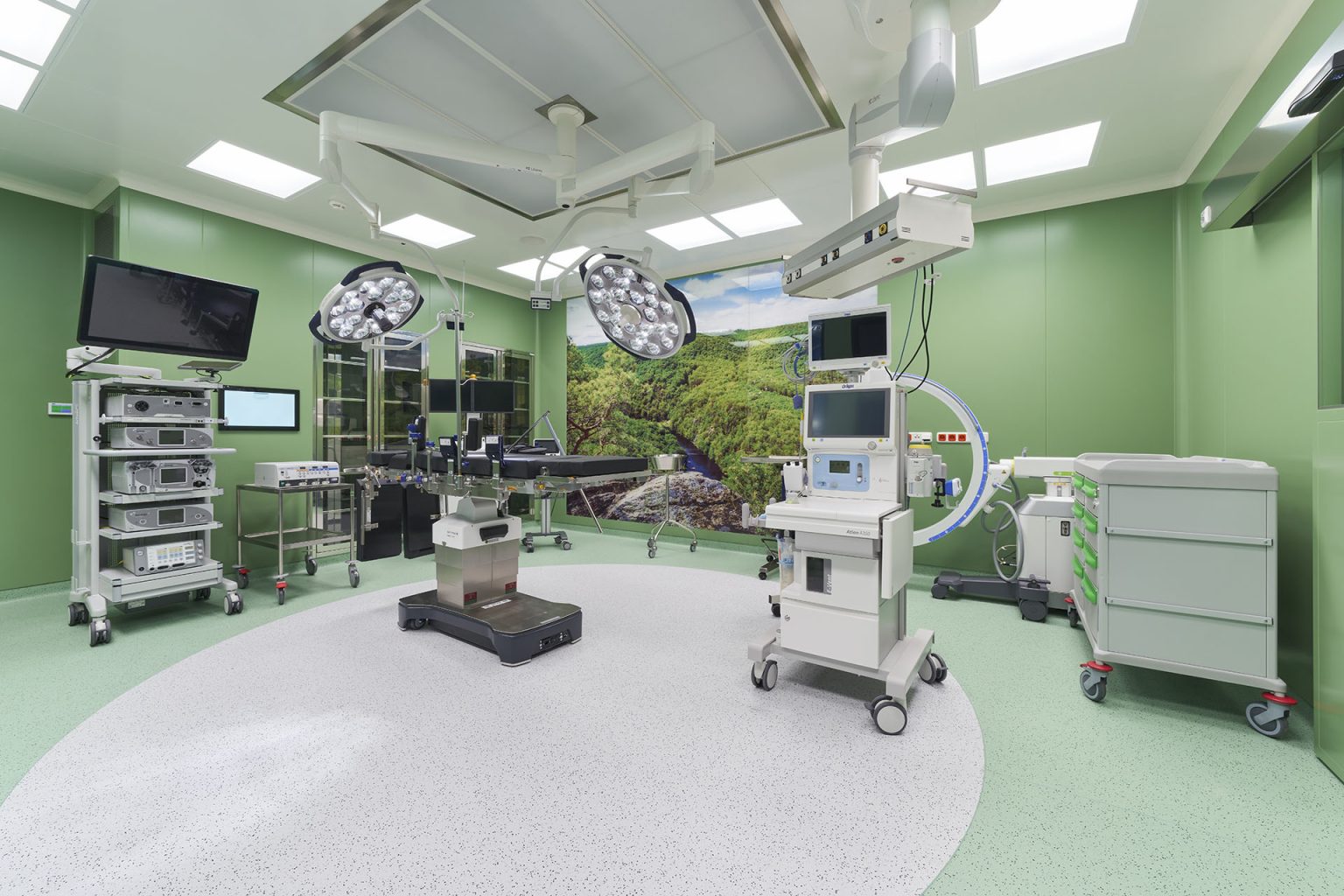
Before surgery, the doctor plans the correction of the alignment or the size of the replacement from the images. Surgery is done through an incision on the front of the knee. For a partial replacement, the doctor first confirms that really only one part of the knee is damaged and the ligaments are intact.
-
Booking
Online or by phone. A referral from a general practitioner is not required.
online or phone -
Consultation and examination
Prof. Hart examines the knee and determines where exactly it hurts. The extent of the arthritis and the alignment of the leg are shown by X-rays taken in different positions, the condition of the cartilage by an MRI if needed.
diagnosis and treatment plan -
Surgery
Under general or regional anesthesia. Surgery usually takes 1 to 2 hours.
date set after the examination -
Home
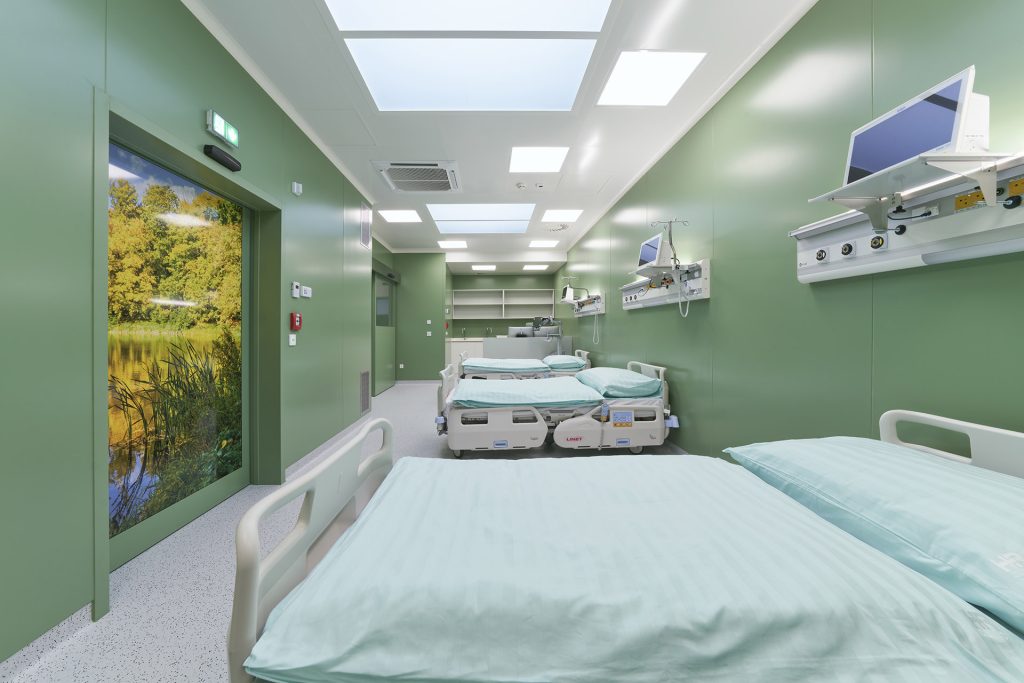
You go home as soon as everything is in order. After an osteotomy you walk on crutches for several weeks; after a partial replacement you put weight on the knee right away.
check-up and physiotherapy
05Recovery and physiotherapy
Back on your feet step by step
After a partial replacement, recovery is usually shorter because the bone does not have to heal first. After an osteotomy it takes longer and you must not put full weight on the leg right away. If needed, we follow up with physiotherapy directly at the clinic.
-
The first days
The knee hurts and swells; pain medication and keeping the leg raised as high as possible help. The physiotherapist teaches you exercises for range of motion and strength.
-
Osteotomy: crutches for several weeks
The bone heals in approximately 6 weeks, and a brace may protect the knee. When you may put weight on the leg is decided by the doctor based on a follow-up X-ray. You usually return to full activity after 3 to 6 months.
-
Partial replacement: daily life in 6 weeks
You put weight on the knee right after surgery, for the first days to weeks with the support of crutches or a cane. Most patients return to normal daily activities within 6 weeks.
-
Driving and work
After a partial replacement you can drive after 3 weeks at the earliest, and only with the doctor's approval. People usually return to work 6 to 12 weeks after a knee replacement, depending on how physically demanding the job is.
06Who operates
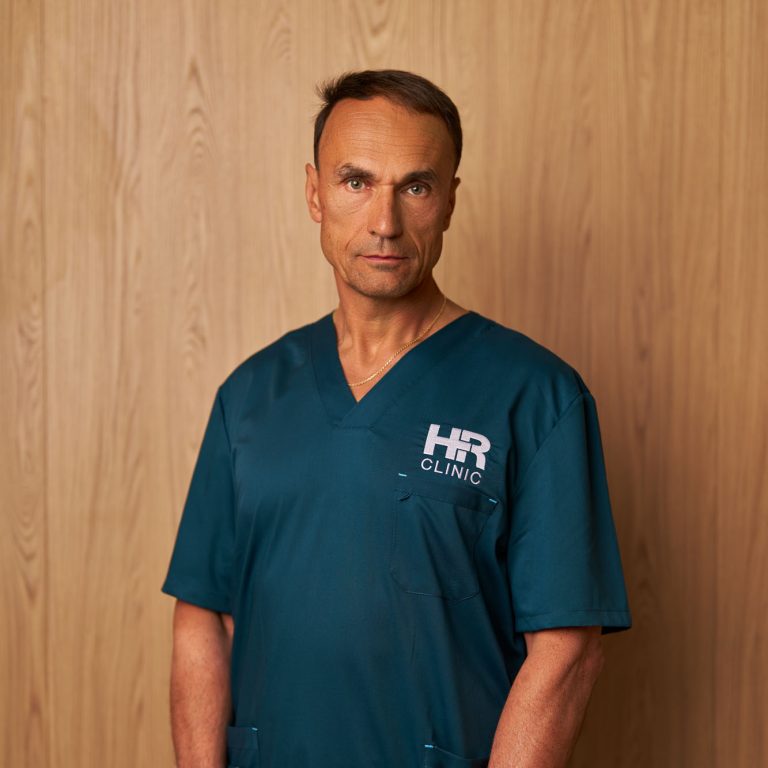
Prof. MUDr. Radek Hart, Ph.D., FRCS, MHA
Orthopedic surgeon and trauma specialist of the musculoskeletal system, head physician of HR Clinic. For arthritis in one part of the knee, he chooses between realigning the leg and a partial replacement according to the findings, so that as much of your own joint as possible is preserved. He sees patients in Znojmo and in Vienna; after a consultation in Vienna, the procedure can be performed in Znojmo.
More about Prof. Hart Professional site ortho-hart.at
Price We will tell you the price of the procedure at the consultation, depending on the findings and the extent of the surgery.
07Frequently asked questions
What patients ask most often
What is the difference between osteotomy and partial replacement?
An osteotomy preserves the entire joint: the bone below the knee is realigned so the load goes through the healthier part of the knee. A partial replacement replaces the worn part of the joint with a metal and plastic surface and leaves the rest of the knee and the ligaments. Osteotomy suits younger, active people with early arthritis; partial replacement suits advanced arthritis in one part of the knee.
How long does a partial replacement last?
In suitably selected patients, younger and older, modern partial replacements hold up well in the long term. If arthritis later develops in another part of the knee, a further operation may be needed.
Do joint supplements or injections help?
A corticosteroid injection can relieve pain and swelling for a time. For hyaluronic acid or platelet (PRP) injections the results are uncertain: some patients feel relief, but studies have not yet confirmed their benefit. Stem cells are a method under research. None of the injections restores cartilage. For supplements with glucosamine or chondroitin, there is no evidence that they slow arthritis.
How long will I be at the clinic?
You go home as soon as everything is in order; the stay at the clinic lasts at most 24 hours. If a longer hospital stay is needed, the clinic arranges follow-up rehabilitation care at the Dačice Rehabilitation Institute, covered by public health insurance.
When should I get in touch after the operation?
Immediately if you have a fever or chills, severe or worsening pain, marked swelling or redness of the knee, or if fluid leaks from the wound. Complications such as infection or a blood clot are rare, but it is important to catch them early.
Do I need a referral from a general practitioner?
No. You just book online or by phone.
08Booking
Book an orthopedic consultation
Online or by phone, at the clinic in Znojmo. A referral from a general practitioner is not required.
- +420 515 225 520
- info@webdemo-vorschau.dam-medizin.com
- Kotkova 3974/9c, 669 02 ZnojmoMon: 8:30–15:00 · Tue–Fri: by appointment